As you look out your window, you notice that your swimming pool’s water features aren’t flowing. The swimming pool pump stopped working. So, you go to the equipment area to check on things and confirm that all filtering has stopped functioning. You note a humming from the pump motor or the booster pump motor, and the housing is hot. Instinctively, you cut the power to the pump system and flick it back on. Just humming, but no pumping. Shut it off, wait for the pump to cool down for a half-hour, and try again. Nada. Zilch. Just humming. Chances are, it’s even tripping a circuit breaker if it hums too long. This symptom could mean that your motor has failed. However, a fairly inexpensive motor part called a capacitor is likely the cause.
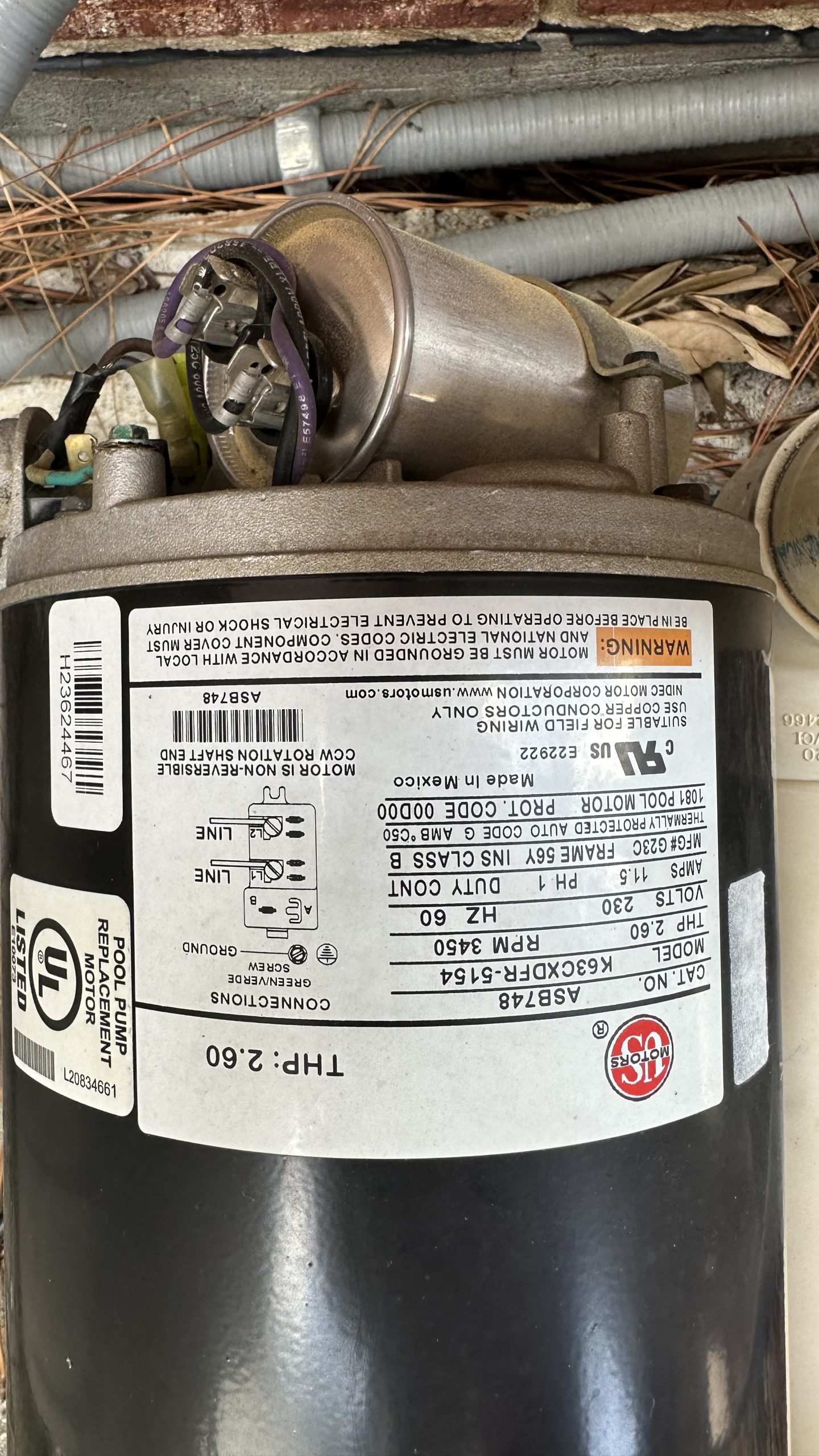
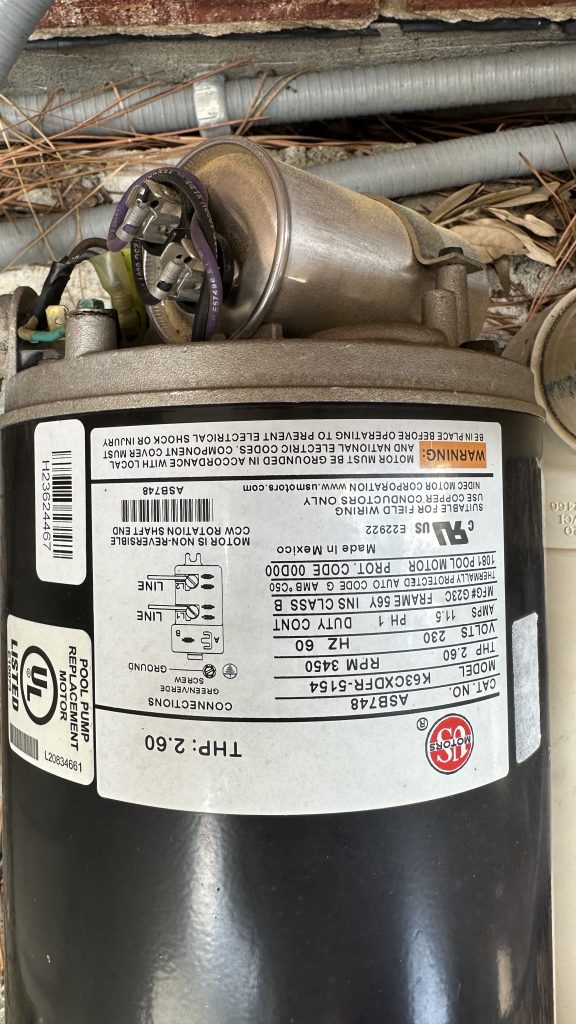
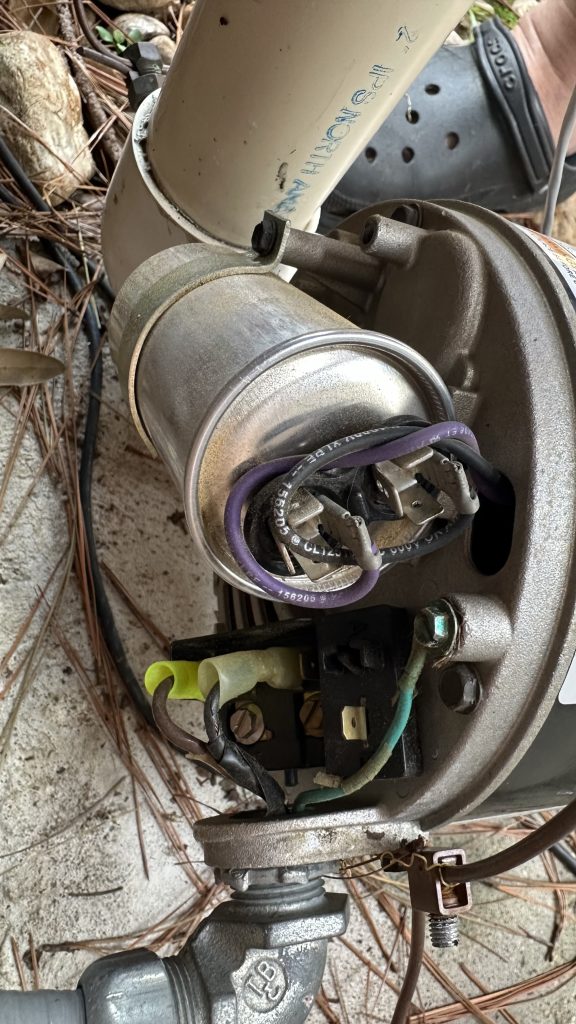
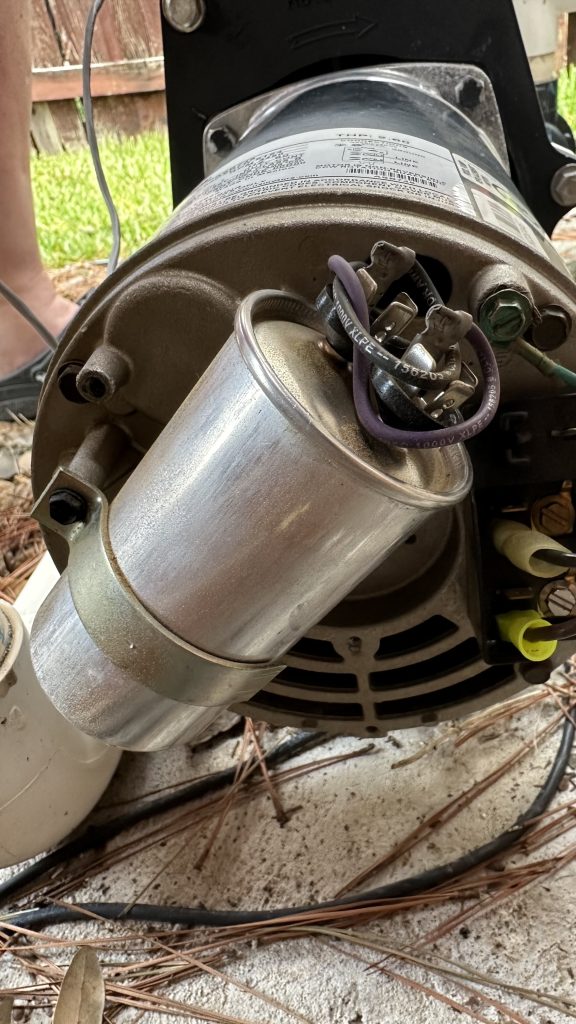
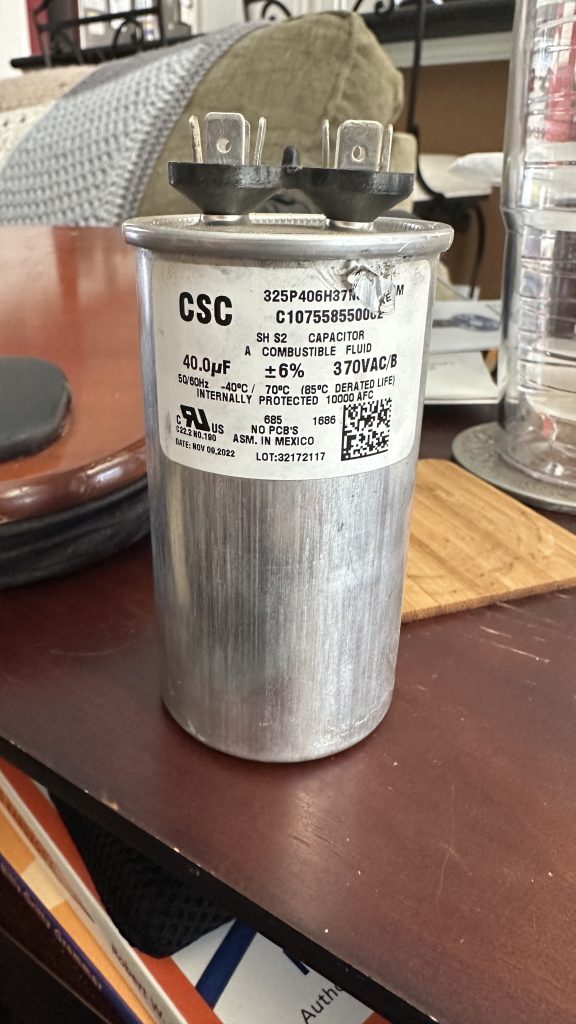
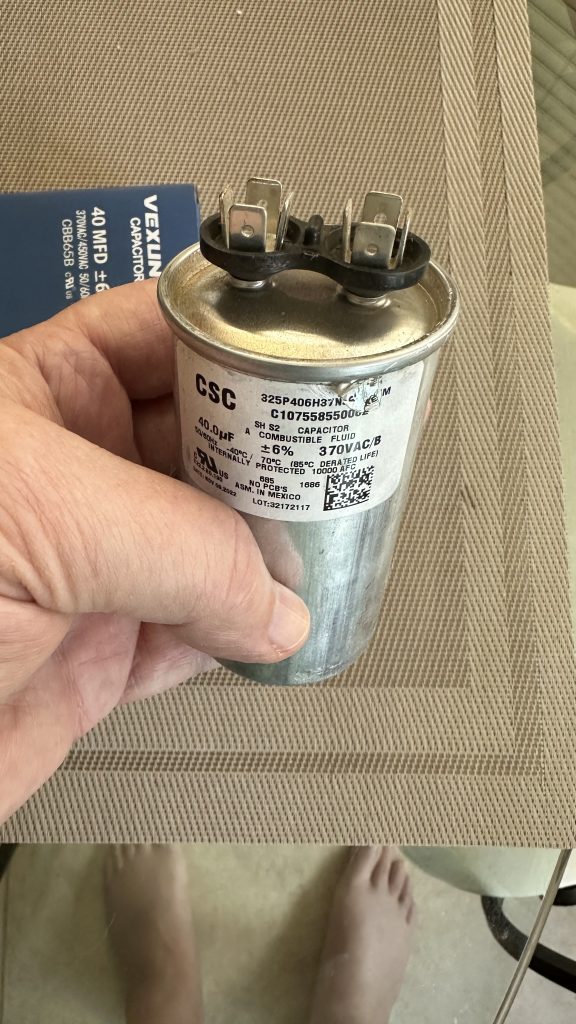
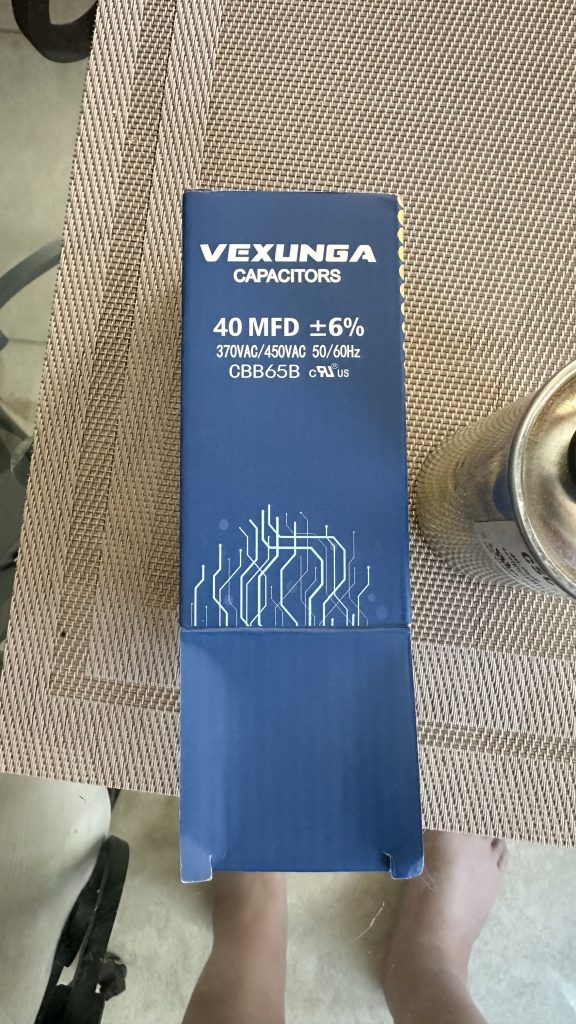
This is a photo of the 2.0 HP motor with the back cover removed to reveal wiring connections andced on December 22, 2023. I was surprised that the capacitor failed so soon, but it’s very hot in Houston, the faulty 40uF capacitor. This motor was repla and this equipment doesn’t get much shade. Mercifully, I didn’t have to remove and replace the motor from the Whisperflo pump to get it working again.Another view of the capacitor at the rear of the pump motor exposed after removing the plastic cover. A photo like this ensures you put the wires back in the right places.Rear view of motor with the faulty capacitor in place. Once I verified there was no charge in the capacitor I could remove the wires and the small hex screw clamp and remove it easily.The faulty 40uF (microfarad) capacitor with a plus/minus 6% rating at 370 Volts AC. This capacitor completely failed as a short circuit and measured zero capacitance when tested on a meter. These start capacitors are needed to get large electric motors to start by giving a “boost.” Here is the faulty capacitor that caused my pool filter pump to stop working and just hum when powered on. It can be dangerous to mess with these high voltage caps so if you don’t know what you are doing call someone who does.This is one of the many available online. It could be delivered the next day and had lots of good reviews. The key is that the uF or MFD match EXACTLY with the one being replaced. You can use higher voltage, but the capacitance must match.
T8 & T12 LED Replacement Tube Types Explained Regardless of whether you’re trying to replace a T8 or T12 fluorescent bulb, chances are you want to go with LED conversion. It can be straightforward if you have enough information, which I hope to impart in this short article. The main thing to note is whether…
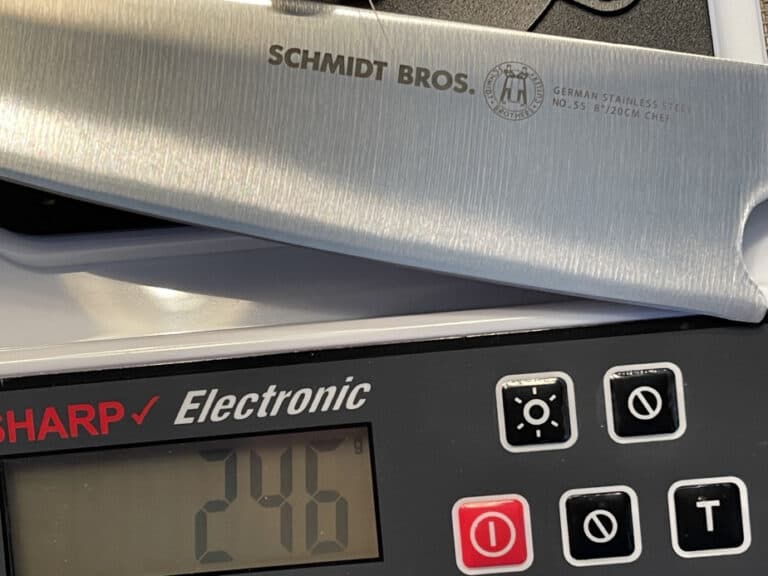
How sharp is your knife, exactly? For years, I settled for knowing my edges were sharp enough for a given purpose. However, at some point like so many other sharpening enthusiasts, I wanted to know exaclty how sharp my edges really were. How did my edges compare with edges honed by others, or machines? Here’s a discussion about one way some of us OCD knife and razor edge enthusiasts solved the problem using the BESS standard.
HEY, ALL YOU EXTREMISTS! YOU ALL SUCK! Every last one of you suck. You wreck everything. Extremists function with closed-mindedness that does nothing but preserve division and conflict. Uninformed or misinformed knuckleheads blind you. You seal yourself in your ideal little world surrounded by an army of lemmings passing “the message of the day” without…
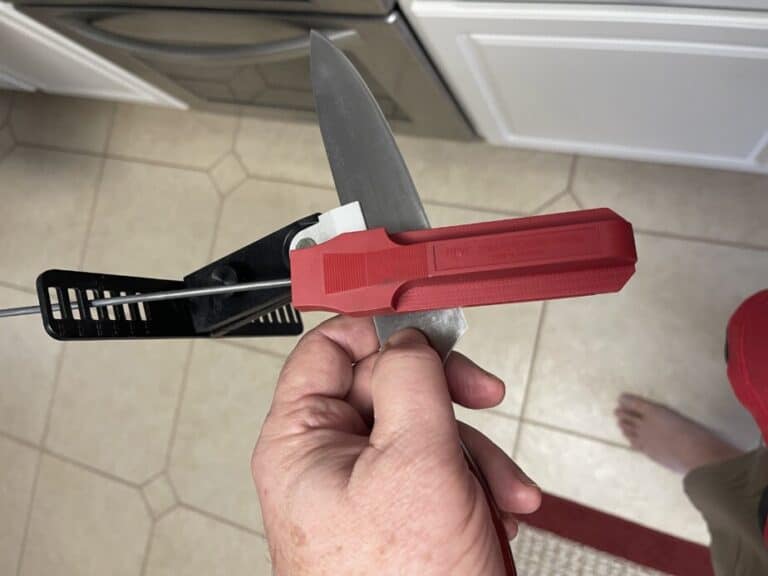
The excellent Lansky or similar GATCO knife sharpening system provides multiple angle choices to sharpen your knife. Which one should you choose? Which is the better choice if none fit perfectly? Let’s find out! All you need is a Sharpie or permanent ink felt tip marker and some nail polish remover or acetone to remove any ink that may remain when you’re done. Let’s get started.
In a typical chlorinated in-ground residential swimming pool, what is the right level in ppm to prevent algae and keep my water sanitized and healthy for swimmers? Well, the answer depends on your Stabilizer or CYA level mainly. Free Chlorine should be 7.5% of CYA, but your CYA should be 30-50ppm for pools with limited…